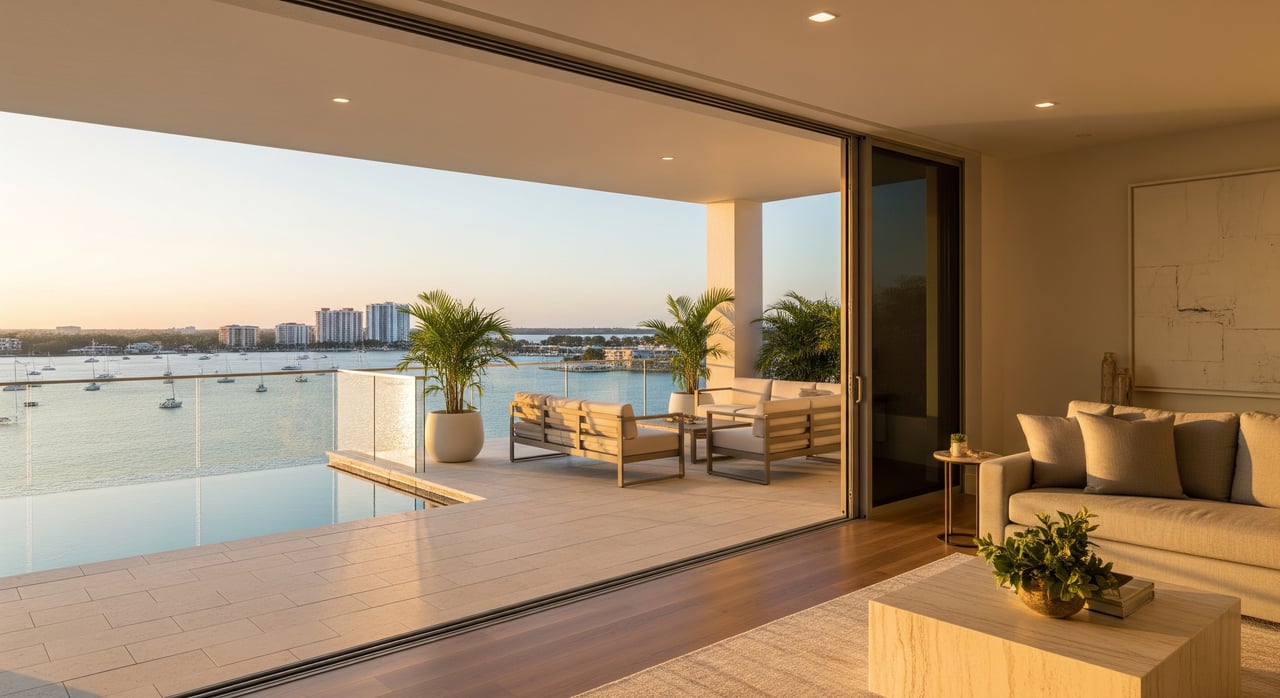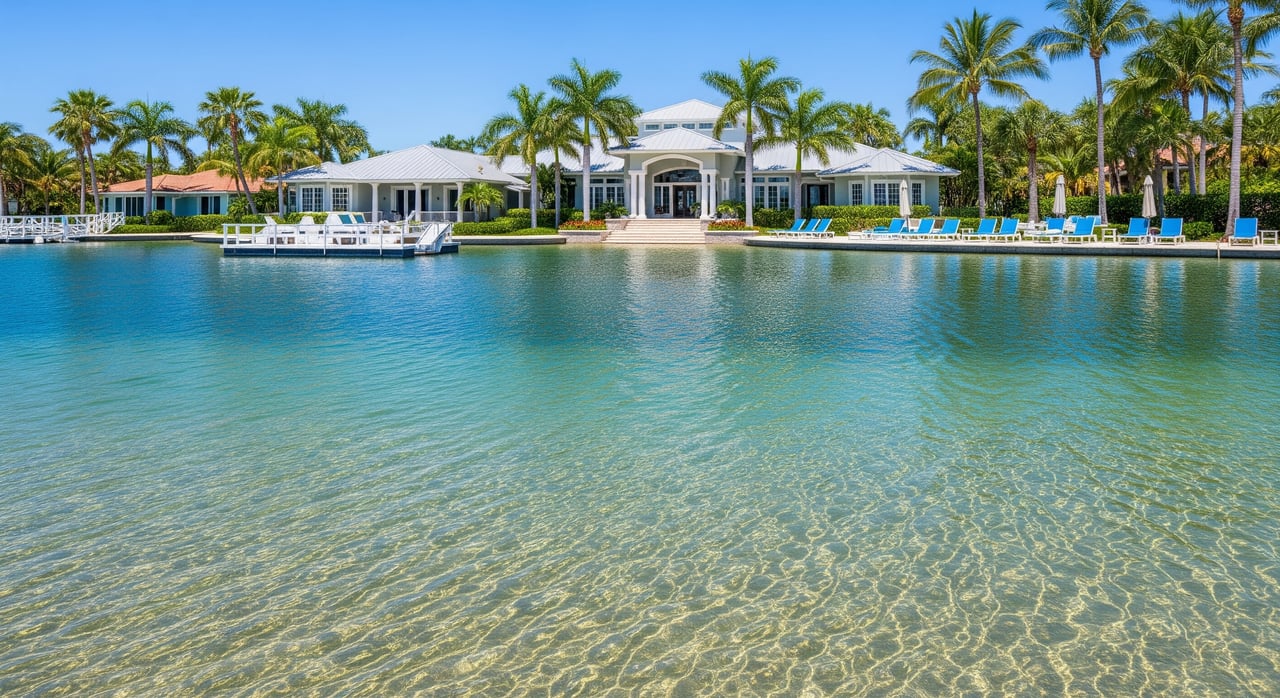
Buying on the water is about more than the view. On Longboat Key, littoral rights shape where your private boundary ends, what you can build, and how your shoreline may change over time. If you are looking at gulf or bayfront homes, understanding these rights can protect your lifestyle and your investment. This guide breaks down the essentials, the permit path, and a practical due diligence plan so you can move forward with confidence. Let’s dive in.
Littoral rights in Florida
Littoral rights apply when your land touches tidal waters like the Gulf of Mexico or Sarasota Bay. These rights typically include access to the water, reasonable recreational use, and the right to accretion or reliction when land is added naturally over time. You also have a limited right to protect the shore, but most shoreline work requires approvals from multiple agencies.
Florida holds title to sovereign submerged lands below the mean high water (MHW) line in trust for the public. In most cases, your private ownership stops at the MHW line, while the wet sand and waters seaward of that line are public. State coastal work, dock authorizations, and CCCL reviews are handled by the Florida Department of Environmental Protection.
The MHW line and beach access
The MHW line is a key boundary for waterfront property. Dry sand upland of the MHW line may be private if your recorded survey shows it, but wet-sand areas and the water are generally public. You should review any recorded easements or municipal access points that may bring people near your property and confirm boundary locations with a current survey.
How the shoreline changes
Longboat Key is a barrier island. Wind, waves, tides, storms, and beach projects can shift the shoreline and change beach width. Gradual accretion can add upland area, while erosion can reduce it. Avulsion, a sudden change from a storm event, usually does not change your legal boundary even if the beach face looks different afterward.
Sea-level rise increases chronic inundation and erosion risk over time. You can review local tidal trends through NOAA Tides & Currents and explore scenarios using NOAA’s Sea Level Rise Viewer as part of your planning.
Permits you may need
Waterfront projects often need approvals at the federal, state, and local levels. Longboat Key spans Manatee and Sarasota Counties, and the Town of Longboat Key is the municipal authority. Confirm your property’s county and required jurisdictions before you apply.
Federal permits
- The U.S. Army Corps of Engineers reviews work in navigable waters under Section 10 of the Rivers and Harbors Act and dredge or fill under Section 404 of the Clean Water Act. Learn more about processes through the U.S. Army Corps of Engineers Regulatory Program.
State approvals
- Florida may require a sovereign submerged lands lease or easement for docks, pilings, or boat lifts over state-owned submerged land. The Florida Department of Environmental Protection oversees coastal permits, submerged land authorizations, and Coastal Construction Control Line (CCCL) review for new construction or substantial improvements seaward of the CCCL.
- Marine resource protections apply. The Florida Fish and Wildlife Conservation Commission publishes sea turtle lighting rules and seagrass protection guidance that influence lighting, construction timing, and boating practices.
Local rules
- The Town of Longboat Key handles building and zoning permits for docks, seawalls, and other improvements. Start with the town’s official website to check local codes and permit records.
- If your home is on the Manatee County side, county policies may also apply. Visit Manatee County’s portal for environmental and permitting references.
Docking and boating considerations
Before you count on docking a particular vessel, verify depth at mean low water, approach channels, and local mooring rules. Bayfront homes may need a longer pier to reach usable depth, or dredging that triggers stricter federal and state review. Gulf-front lots are more exposed to waves and are often less suitable for private docking. Dock size, placement, and boat lifts are commonly limited by local rules, navigation, and environmental constraints.
Insurance, flood zones, and value
Flood zones and elevation have a direct impact on premiums and building requirements. Many gulf and bayfront properties are mapped in AE or VE flood zones, which carry specific construction standards and often higher insurance costs. Check current maps using FEMA’s Flood Map Service Center, and request an elevation certificate if available. Beach width, permitted shoreline structures, and long-term erosion risk can also influence resale and marketability among luxury buyers.
Buyer due diligence checklist
Use this list to protect your interests before you close:
- Confirm jurisdiction. Identify whether your lot sits in Manatee or Sarasota County and confirm Town of Longboat Key permitting pathways.
- Order a recent certified survey. Confirm the mean high water line, upland boundaries, and any improvements near or over the MHW line.
- Run a full title search. Look for recorded easements, prior permits, and any submerged lands leases or exceptions.
- Pull the permit history. Obtain approvals for existing docks, seawalls, lifts, or shoreline work and verify status and transferability.
- Consult a coastal engineer. Assess erosion trends, shoreline stability, and the feasibility of proposed armoring or docks.
- Check bathymetry and approach. Confirm water depths and navigation access at mean low water; flag any likely dredging needs.
- Review flood risk. Use FEMA maps, request an elevation certificate, and budget for NFIP or private flood coverage.
- Review association rules. If applicable, confirm any limits on docks, shared slips, or exterior work.
- Confirm environmental constraints. Identify seagrass beds, listed species, and seasonal limits such as turtle lighting rules.
- Speak with a Florida real estate attorney experienced in coastal property to interpret littoral rights, boundaries, and contract contingencies.
Partner with local experts
Waterfront due diligence is a team effort. Involve a coastal engineer, licensed surveyor, real estate attorney, title company experienced in waterfront, and a marine contractor or dock designer early. If you need help coordinating the right professionals, the Fox Leiter Team can connect you with trusted local resources and guide you through each step.
Ready to explore gulf or bayfront living on Longboat Key with confidence? Reach out to the Fox Leiter Team to Request Your Concierge Consultation.
FAQs
What are littoral rights for Longboat Key homes?
- Littoral rights give you access to tidal waters, reasonable shoreline use, potential rights to natural accretion, and a qualified ability to protect your shore, subject to permits.
Where does my private beach end on the gulf?
- In Florida, private ownership usually stops at the mean high water line; wet sand and waters seaward of that line are held by the state for public use.
Do I need a permit to build or expand a dock on Sarasota Bay?
- Most docks require local permits, state authorization for structures over sovereign submerged lands, and often U.S. Army Corps review for work in navigable waters.
What is the Coastal Construction Control Line (CCCL)?
- The CCCL is a state line along parts of the coast; new construction or major improvements seaward of it need additional review by the Florida Department of Environmental Protection.
How do flood zones affect a Longboat Key purchase?
- AE and VE zones often carry higher insurance premiums and stricter building standards; check the FEMA Flood Map Service Center and request an elevation certificate.
What is the difference between accretion and avulsion for my boundary?
- Gradual accretion can move your upland boundary seaward over time, while sudden storm-driven avulsion typically does not change your legal boundary.