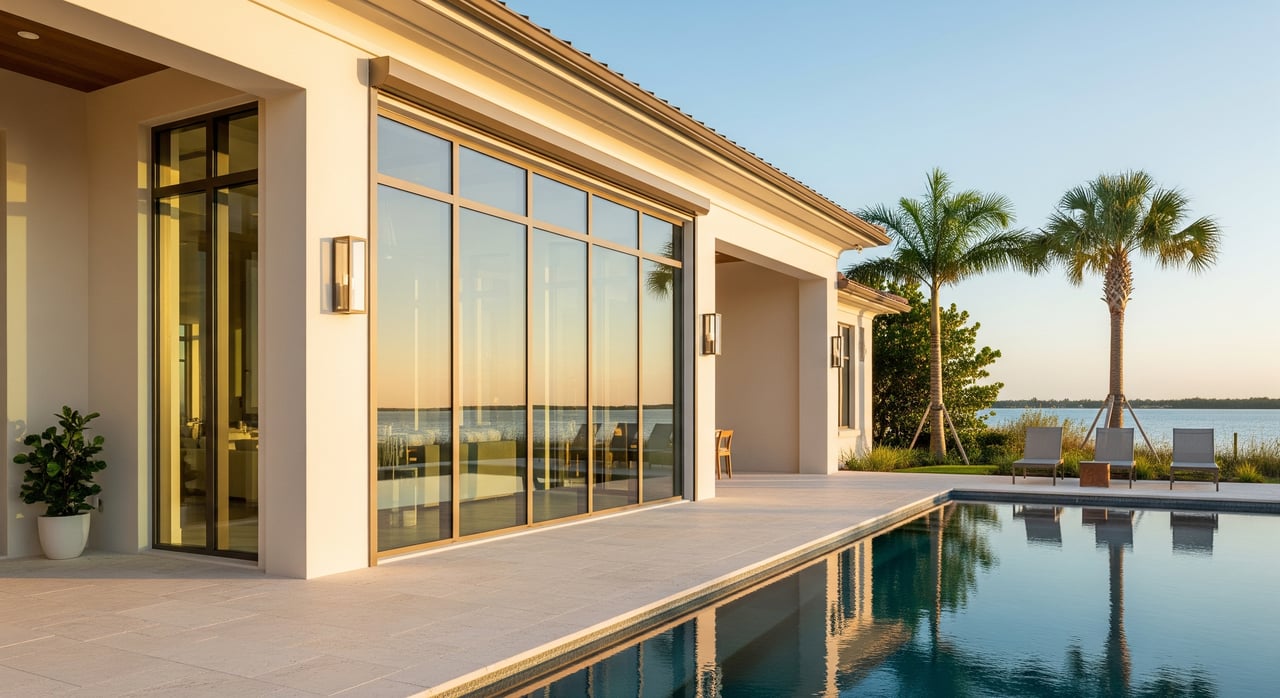
Hurricane season is part of life on St. Armands. If you are weighing impact glass against shutters, you are really choosing how you want to live in your home day to day, how you want it to look, and how you want to spend over time. You want protection that fits your lifestyle, meets code, and supports resale value without surprises. In this guide, you will learn how both options perform, what they cost to own, how they affect curb appeal, and a simple way to decide what works best for your property. Let’s dive in.
What St. Armands homes face
St. Armands sits on a barrier island with direct exposure to wind and wind‑borne debris during tropical storms and hurricanes. Salt air increases corrosion risk for exterior hardware and fasteners, which matters for shutter tracks, hinges, and anchors. Flood risk is separate from wind protection, and it is handled through elevation and flood insurance, not windows or shutters. Plan for wind protection as one system and flood planning as another.
Code and approvals to know
Any opening protection you choose must meet Florida Building Code requirements, plus local permitting and inspection rules for Sarasota County or the City of Sarasota. Products commonly show compliance through Florida Product Approval or a Miami‑Dade Notice of Acceptance with testing that demonstrates design pressures and large or small missile impact resistance. Wind design pressures vary by building height and exact location, so coordinate with a local building official or a licensed engineer. Most window replacements and permanent shutters require permits and inspection. If your home is under an HOA or design review, secure that approval first so your timeline stays on track.
Impact glass: how it performs
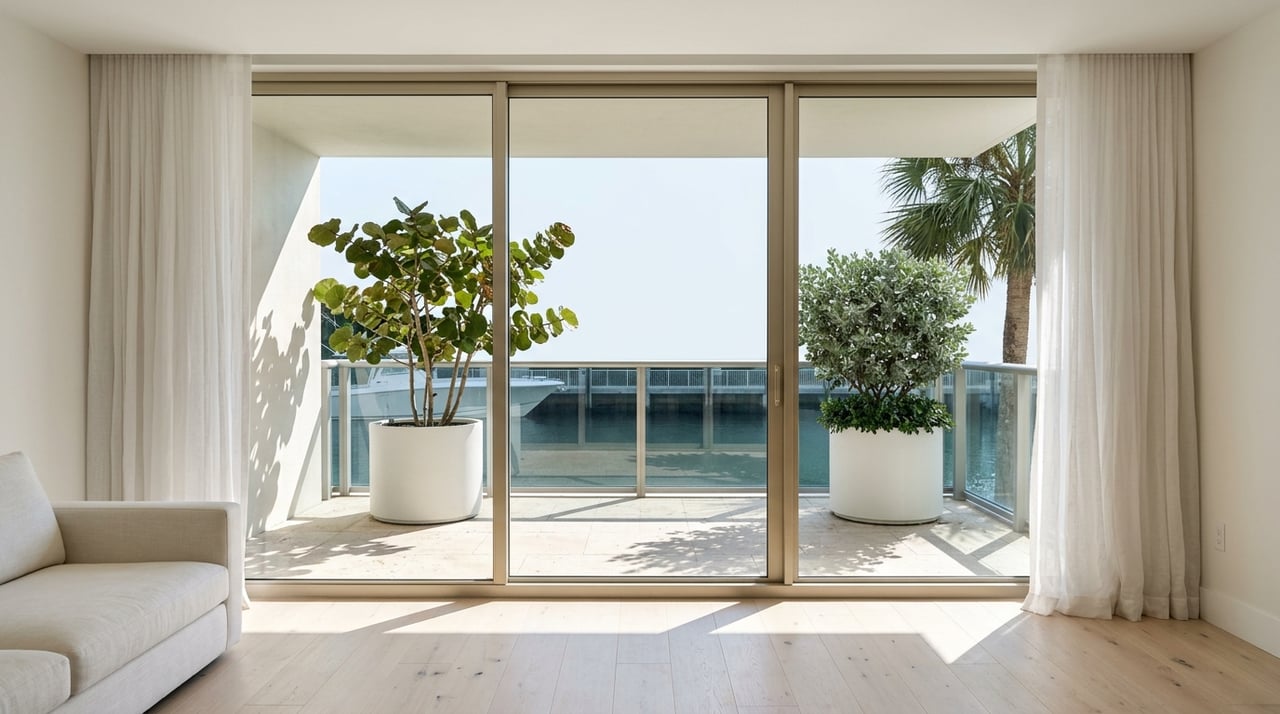
Impact windows use laminated glass that resists penetration and holds together when struck, paired with engineered frames and anchors. The biggest advantage is continuous, always‑on protection without any extra steps from you. You also get day‑to‑day benefits like improved thermal performance, UV reduction, and better sound attenuation compared with single‑pane glass. Many owners also appreciate the added security because impact glazing is difficult to breach.
Impact glass limitations
You will typically pay a higher upfront cost per opening than basic storm panels. If a sealed unit or frame fails years later, replacement is a larger project than swapping a shutter component. Lead times can be longer, especially for custom sizes or specialty frames, so plan ahead if you are targeting a listing date.
Shutters: types and protection
Shutters come in several forms and can match or exceed required design pressures when properly certified and installed.
- Permanent manual: accordion, Bahama, and colonial styles that hinge, fold, or swing into place.
- Removable panels: corrugated steel or polycarbonate panels that slide into tracks and store when not in use.
- Motorized roll‑downs: rolling systems with manual or electric operation that secure large spans and deploy quickly.
Shutter advantages
Shutters offer robust physical barriers when deployed, often at a lower initial cost than replacing every window with impact glass. Motorized systems make quick work of large openings. Seasonal residents like the flexibility to close up the home only when needed.
Shutter limitations
Most shutters require you or a caretaker to deploy them before a storm. If you are away or a warning comes quickly, that can be a challenge. Visible tracks and hardware can affect curb appeal if not integrated well. Moving parts and coastal exposure require regular maintenance and corrosion‑resistant finishes, especially near salt water.
Energy, sound, and daily comfort
Impact glass improves everyday comfort because it works all the time. You benefit from better energy performance and noticeable sound reduction without closing anything. Some shutter types provide shading or thermal benefits, but only when closed. Bahama or insulated accordion styles can add daytime shade, yet most families prefer natural light and views in normal weather, which is where impact glazing shines.
Curb appeal and resale in St. Armands
Impact windows maintain clean sightlines and usually blend with existing architecture, which many buyers view as a modern, premium upgrade. They are easy to market because the protection is always active, and the home feels turnkey. Shutters can be a statement when chosen to match the architecture, such as colonial or Bahama, but visible tracks or stored panels can read as purely utilitarian if not thoughtfully designed. Whatever you install, keep permits, approvals, and warranties organized. Buyers respond well to documented protection with transferable warranties.
Cost, maintenance, and lifespan
Costs vary based on size, materials, finishes, and installation complexity. Impact windows generally cost more per opening than basic panel systems. Motorized roll‑downs can approach or even exceed impact window costs for large spans, while removable panels are typically the most budget‑friendly. Lead times for custom products can range from weeks to months, so factor that into your plan.
Maintenance differs. Impact windows are relatively low maintenance, with periodic cleaning and checks for seals and weep systems. Shutters have moving parts, tracks, and hardware that need inspection, lubrication, and corrosion control. Motors, controls, and finishes on roll‑downs may need attention sooner than static components. Both systems can last for decades when specified with coastal‑appropriate materials and finishes and maintained on schedule.
Insurance credits and documentation
Many Florida insurers provide wind‑mitigation credits for certified opening protection, whether that is impact glazing or code‑rated shutters. Carriers vary in how they calculate credits, and they require documentation such as permits, approvals, and a wind mitigation report. Energy savings, potential premium reductions, and buyer confidence can help offset a portion of the upfront cost. To estimate your return, request quotes from your insurer and consider local energy performance estimates for your home.
Installation and permitting timeline
Impact windows often require factory lead times, coordinated removal and replacement, and finishing work on stucco or interior trim. Plan access for upper levels. Shutters can be quicker if you choose stock panels, but custom or motorized systems still carry lead times and may require electrical work. For sellers, build in time for permitting and inspections so your listing schedule is not stressed. For buyers planning post‑close improvements, line up quotes and permits early to avoid seasonal backlogs.
How to decide: a simple framework
Use these factors to clarify your best fit:
- Permanence vs flexibility
- Prefer set‑and‑forget protection with energy and noise benefits, choose impact windows.
- Prefer lower near‑term cost or seasonal closure, consider shutters or panels.
- Aesthetics and curb appeal
- Want minimal visible hardware and a clean, modern look, choose impact windows.
- Want a specific architectural style, select well‑designed Bahama or colonial shutters.
- Insurance and verification
- Want straightforward, always‑on documentation, impact windows are easy to verify.
- Shutters can deliver equal credits when certified and properly installed, keep records.
- Maintenance tolerance
- Low maintenance preference, impact windows.
- Comfortable with moving parts and periodic service, shutters.
- Budget and timeline
- Need immediate, cost‑effective protection, removable panels or basic shutters.
- Long‑term owner focused on comfort and quiet, impact windows often win over time.
- HOA or design controls
- If design review restricts replacement or style, coordinate early and adjust accordingly.
Smart hybrid options
You do not have to choose one solution for every opening. A common, high‑value approach is to install impact glass on showpiece or curb‑facing elevations and use shutters on secondary or less visible openings. Consider motorized roll‑downs for large sliders or lanais, and specify coastal‑rated motors, fasteners, and finishes. This hybrid balances curb appeal and daily comfort with cost control.
Next steps for sellers and buyers
Confirm requirements
- Call the Sarasota County or City of Sarasota building department to verify permits and design pressures for your property.
- Ask your HOA or design board about exterior modification approvals and acceptable styles.
- Request wind‑mitigation guidance from your insurer so you know what credits may apply and what documentation is required.
Get comparable quotes
- Collect at least three written quotes from licensed local installers, including one manufacturer‑certified installer.
- Require proof of Florida Product Approval or Miami‑Dade NOA for every product proposed.
- Ask for an itemized scope that separates materials, anchors, finishes, labor, electrical work, and permits.
Specify for coastal longevity
- Confirm marine‑grade stainless or equivalent corrosion‑resistant fasteners and hardware.
- Review finish warranties for coastal exposure and ensure they are transferable when possible.
Organize paperwork
- Keep permits, final inspection sign‑offs, approval documents, installation instructions, warranties, itemized receipts, lien releases, and your wind‑mitigation report. This packet supports insurance credits and strengthens your eventual resale.
Seller tips for market impact
If you are preparing to list, prioritize high‑visibility openings for upgrades to maximize curb appeal. If budget is limited, consider a hybrid approach that presents beautifully from the street while delivering full protection across the home. Disclose approvals, permits, and maintenance history in your seller disclosures, and highlight transferable warranties in your marketing.
Ready to map the right plan for your St. Armands property? Request your concierge consultation and we will outline options that align with your goals, timeline, and budget.
FAQs
What is the main difference between impact glass and shutters for St. Armands homes?
- Impact glass protects continuously and improves daily comfort, while shutters can provide equal protection when deployed but require you or a caretaker to close them before storms.
Do I need permits in Sarasota for impact windows or shutters?
- Most impact window replacements and permanent shutters require permits and inspections; check with Sarasota County or the City of Sarasota and secure any HOA or design approvals first.
How do insurance wind‑mitigation credits work for opening protection?
- Many Florida insurers offer premium credits for certified impact glazing or code‑rated shutters, applied after a wind mitigation inspection and proper documentation of approvals and permits.
Which option is better for seasonal owners on St. Armands?
- Seasonal owners often like shutters for closing up the home, but impact glass is attractive if you want set‑and‑forget protection with energy and noise benefits.
Will impact windows or shutters improve my home’s resale value?
- Both can help when documented, though many buyers view impact windows as a premium, turnkey upgrade that enhances curb appeal and confidence.
Can I combine impact glass and shutters on the same property?
- Yes, a hybrid approach is common, such as impact glass on front elevations and shutters or panels on secondary openings or large sliders.