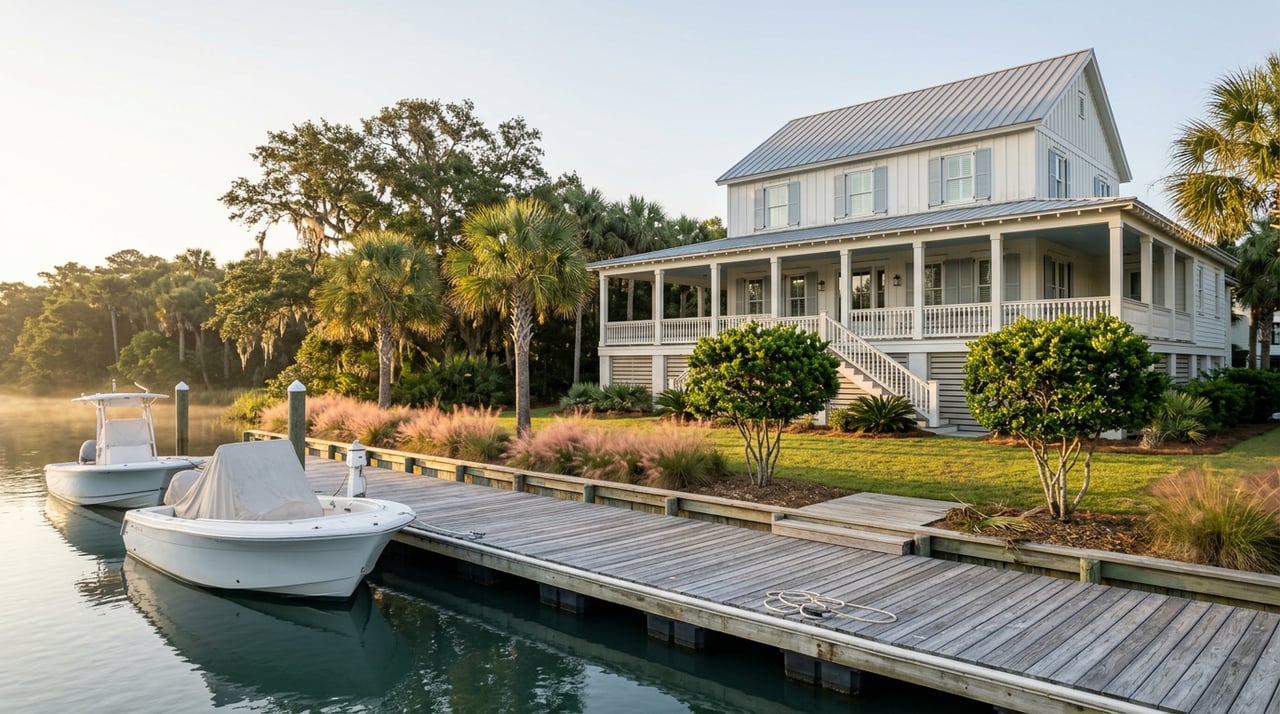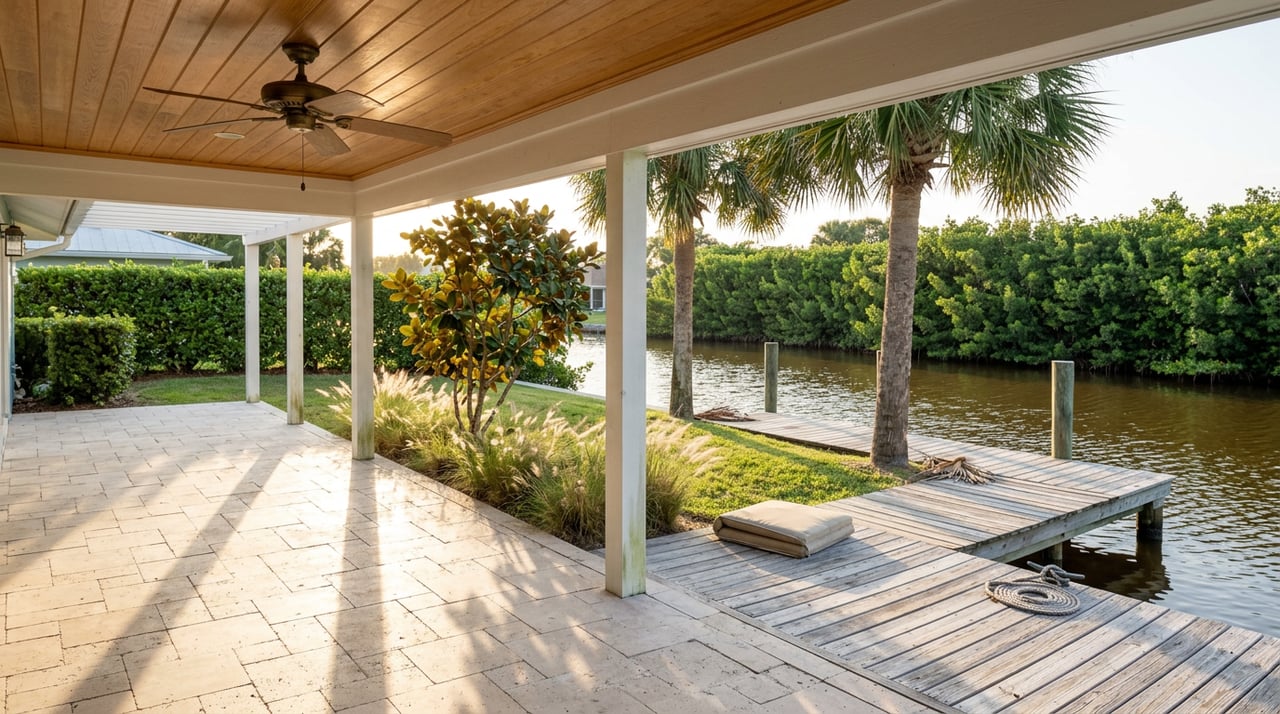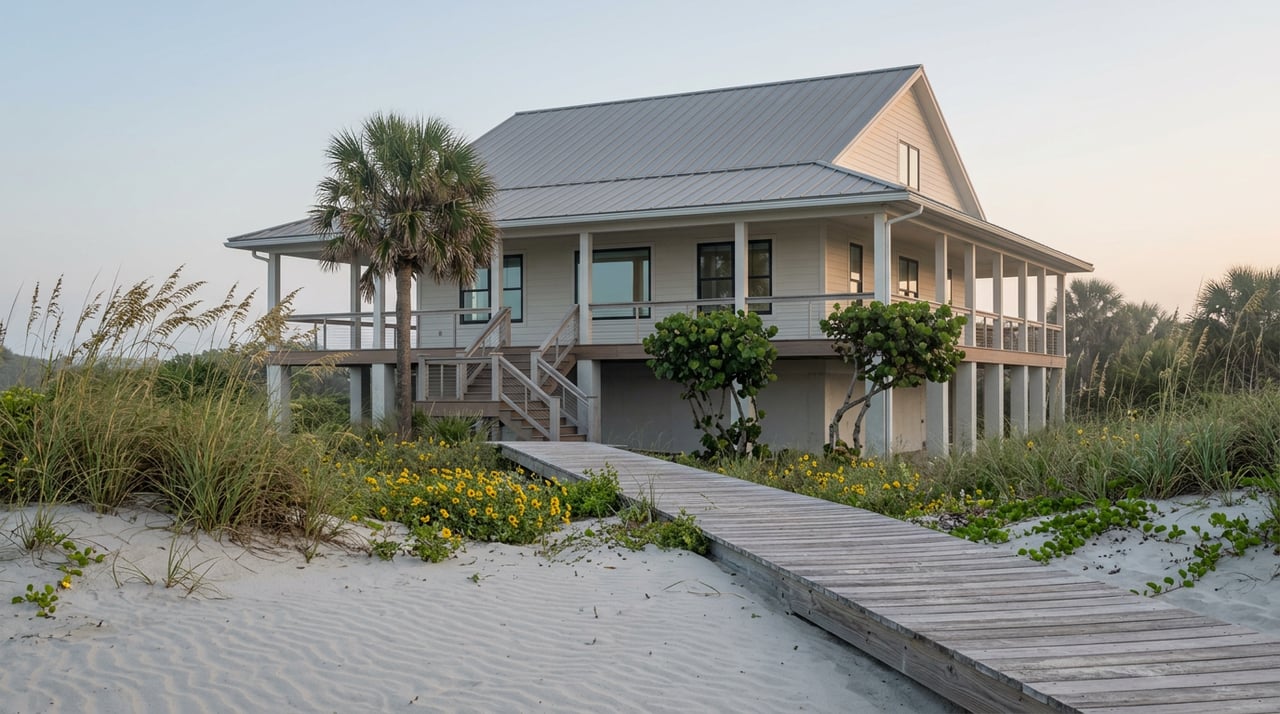
Walk the sand in front of the Lido Beach Pavilion this week and you'll see a beach that looks like it never had a bad year. The shoreline is wide. The Ritz-Carlton's Tiki Bar is pouring drinks again under a rebuilt thatched roof. St. Armands Circle a few minutes away is full. If you've lived on Lido Key long enough to remember 2024, the whole place reads as recovered.
It isn't, not structurally. On September 21, bulldozers move onto the beach again, this time to build something Lido Key has never actually had: a real dune line. The sand you're standing on got fixed first. The system that decides whether it survives the next storm season starts construction next week.
The Summer That Looked Like the Finish Line
The visible recovery wrapped up in stages this year, and each one landed like a milestone. On May 26, the City of Sarasota cut the ribbon on a $12 million beach renourishment that rebuilt 1.2 miles of shoreline from just north of Ted Sperling Park northward. City Engineer Nikesh Patel put a number on what that meant at the ceremony: the project added roughly 60 to 100 feet of new sand along a stretch of beach that had lost up to 90 feet since the last renourishment in 2021, erosion severe enough that seawalls in front of some properties had become visible where sand used to be.
The sand itself came from New Pass, dredged in phases and pumped south through pipelines onto the beach, about 300,000 cubic yards in total.
Then, on June 20, the Lido Key Tiki Bar reopened at the Ritz-Carlton Beach Club after a year and a half of rebuilding, torn down by the same 2024 storm season that flooded the beach and damaged the Pavilion's concession area. The grand reopening drew about 200 guests for a sunset celebration, and Assistant Food and Beverage Manager Heidi Finley rolled out a refreshed menu built around drinks like the Sunveil and the Coconut Afterglow, all served from a tiki hut that kept its original footprint under a new bar top. It's open daily from 11 a.m. to sunset.
Line those two dates up and it's easy to read the story as closed. The beach is wider than it's been in years. The bar that closed after Helene and Milton is pouring cocktails again. That's the version of Lido Key most people are walking around right now.
What September 21 Actually Changes
Here's what that version leaves out. The renourishment restored sand. It didn't build a dune line, and Lido Beach has never had a substantial one. Starting September 21, the city begins its first dune construction project on Lido, running from North Lido Park south to Ted Sperling Park. The new dunes will stand about 2.5 feet high and 30 feet wide with a gradual taper, shaped from the same sand base the renourishment just delivered.
City Engineer Sage Kamiya, who has walked this stretch of beach through multiple storm seasons, put it simply when the project was announced: the dunes that existed before 2024 were "hit pretty hard" by the hurricanes, and this project restores and raises what's left for both storm protection and habitat value.
Once the sand is shaped, crews plant it with dune sunflower, railroad vine, and sea oats, natives chosen because their root systems lock sand in place and because they double as habitat for shorebirds and nesting sea turtles. The whole shaping and planting phase is expected to wrap by late November, weather permitting.
What stays normal while that happens matters more to daily life than the construction itself:
- The Lido Beach Pavilion, concessions, and Lido Pool keep regular hours throughout
- The north parking lot remains open and unaffected by staging
- More than 30 beach access points stay in operation, marked with post-and-rope barriers where dune work is active
- Dedicated walkways cut through the new dunes so beach access never requires a detour
If you walk the beach regularly, you'll notice ropes and stakes before you notice anything else. The sand you already know how to reach will still be reachable.
Why This Is the Investment That Actually Matters
The renourishment fixed width. The dune project fixes resilience, and the two aren't the same thing. Raising the dune line by two feet to a 6.6-foot elevation moves Lido Beach's storm protection from what engineers classify as a 10-year event to a 25-year event, meaning the beach can absorb a meaningfully larger storm before the kind of erosion seen after Helene and Milton happens again.
Here's how the three phases actually break down, since they get reported separately and easily blur together:
| Project | Cost | Funded By | What It Does | Timeline |
|---|---|---|---|---|
| Beach renourishment | $12 million | Federal funding via the U.S. Army Corps of Engineers | Rebuilt 1.2 miles of shoreline, added 60 to 100 feet of sand | Completed May 26, 2026 |
| Dune construction | $1.2 million | Split evenly between tourist development tax revenue and Florida DEP grants | Raises the dune line to a 6.6-foot elevation, improving storm protection from a 10-year to a 25-year event | Begins September 21, 2026; sand and planting complete by late November |
| Walkover replacement | $840,000 | Same funding split as the dune project | Rebuilds three beach access walkovers, at the Pavilion, the north lot, and the John Ringling and Benjamin Franklin curve | Expected mid-2027 |
Combined, the renourishment and dune work amount to more than $13 million spent rebuilding Lido's shoreline defenses in a single year. That's a lot of money for sand and native grass, and it's the correct amount for a barrier island where the beach isn't scenery. It's infrastructure, the same category as the water mains underneath it.
The Bill That Doubled Along the Way
There's a detail in the renourishment's funding history worth sitting with if you're used to seeing infrastructure costs quoted as fixed numbers. The city originally secured $8 million for this renourishment back in 2022. By the time the project actually broke ground, that figure needed another $4 million on top of it, added in 2025 to cover inflation and updated design standards. A five-year-old cost estimate for a coastal project turned out to understate the real number by a third.
It's a small lesson worth carrying into any conversation about future beach or seawall work on the island. The number quoted today is a starting point, not a ceiling.
A Quiet Perk for Anyone Who Boats This Corridor
The dredging that supplied all this sand did something useful on the water side too. New Pass, the channel separating Lido Key from Longboat Key, has long been one of the trickier cuts on this part of the coast, with shifting sandbars that have claimed their share of props and hulls over the years. The same dredging operation that pulled sand for the beach also deepened and leveled the federally authorized channel, making the pass noticeably safer for anyone running a boat between Sarasota Bay and the Gulf.
If you keep a boat on this side of the island, that's not a footnote. It's the most direct benefit of this entire project that has nothing to do with sand.
The Actual Finish Line
The honest answer to "when is Lido Key done recovering" isn't May 26, and it isn't September 21 either. It's sometime in mid-2027, when the last of the three beach walkovers gets rebuilt at the John Ringling and Benjamin Franklin curve. Only then does every piece, sand, dunes, and the physical paths people use to reach the water, belong to the same finished project.
After that, the clock resets to the same 50-year partnership between the city and the Army Corps of Engineers that's been running since the first renourishment cycle. Renourishments happen roughly every five years under that agreement. The last one was 2021. This one is 2026. The next is expected around 2031, storms allowing.
Living on a barrier island means living inside that cadence, not around it. The construction signage going up next week isn't a sign something went wrong. It's the second half of a repair that started in January and won't fully close out until walkovers get poured next year. Knowing the difference between the beach that looks recovered and the beach that's actually built to hold is the kind of detail that separates a Lido Key resident from a Lido Key visitor.
If you're weighing what any of this means for a home on the island, whether it's insurance conversations, dock access during construction windows, or simply understanding how storm protection investment shapes long-term value here, The Fox Leiter Team has spent years tracking Lido Key's infrastructure calendar as closely as its sales calendar. Reach out anytime to talk through what's changing on the island and what it means for your property.