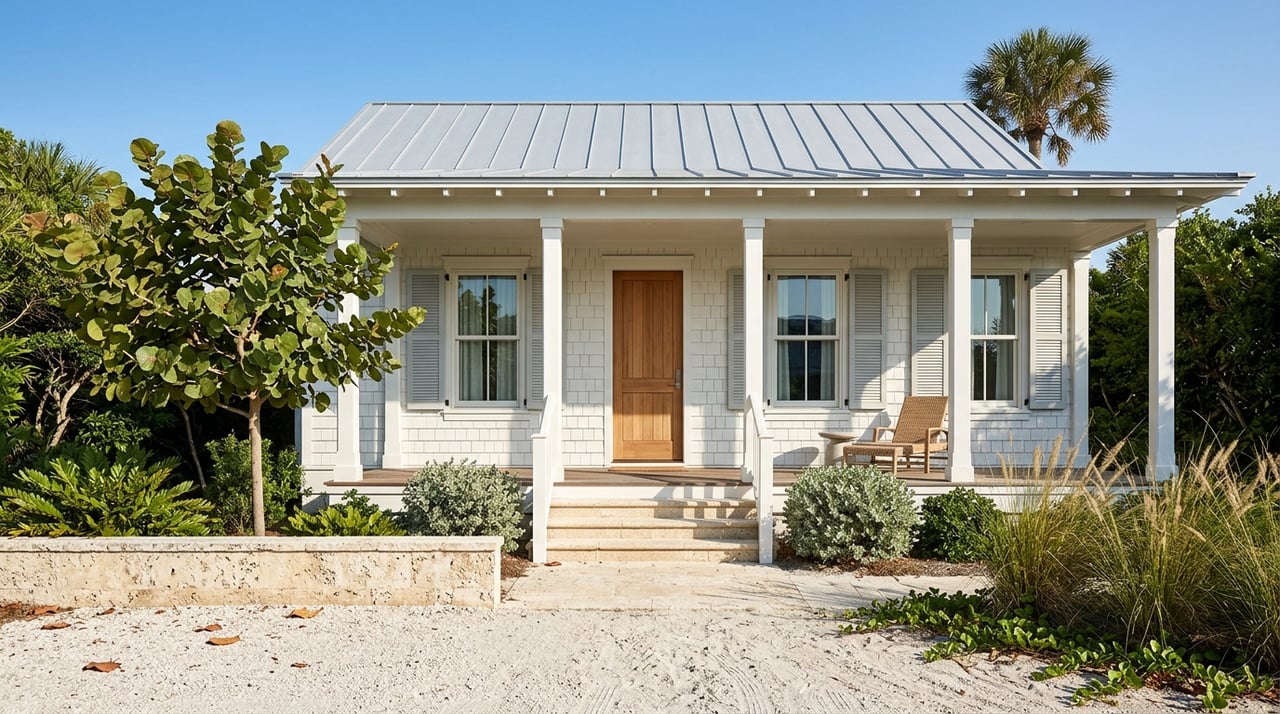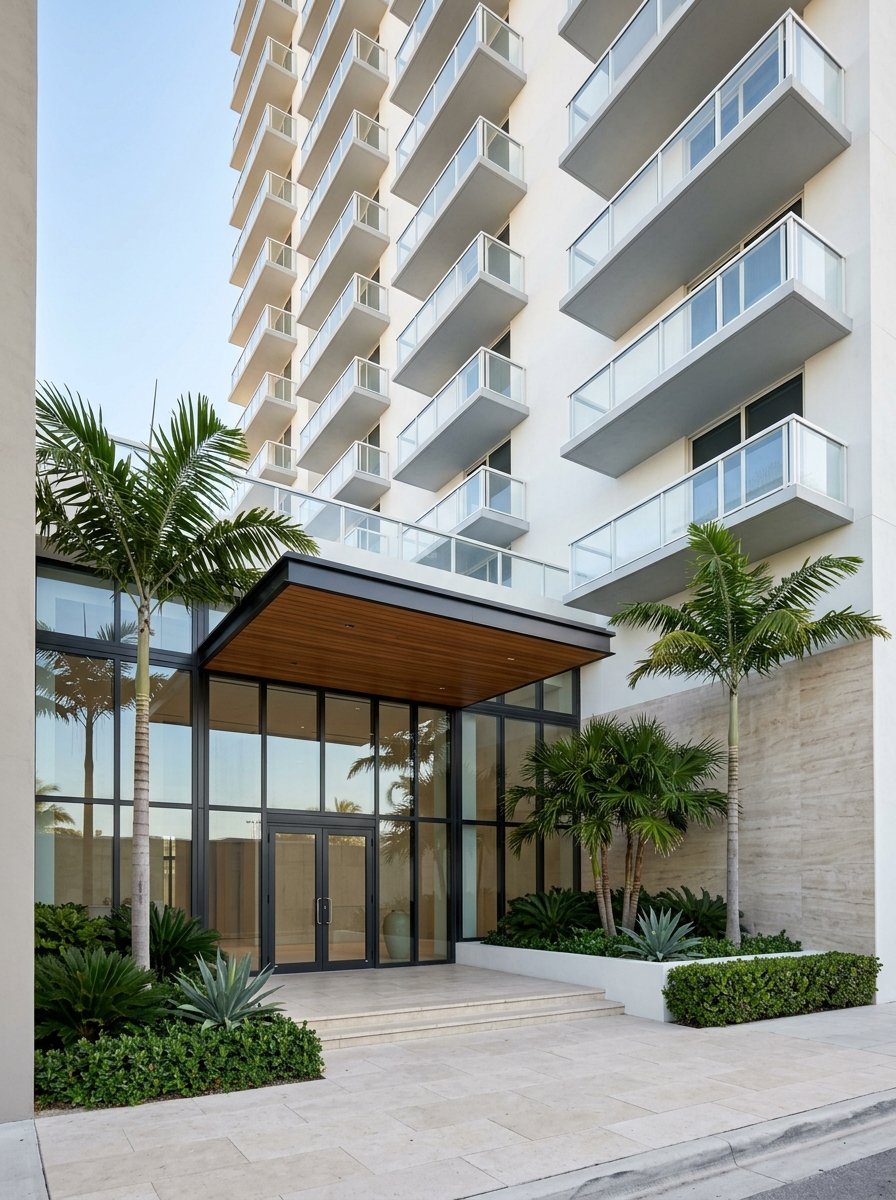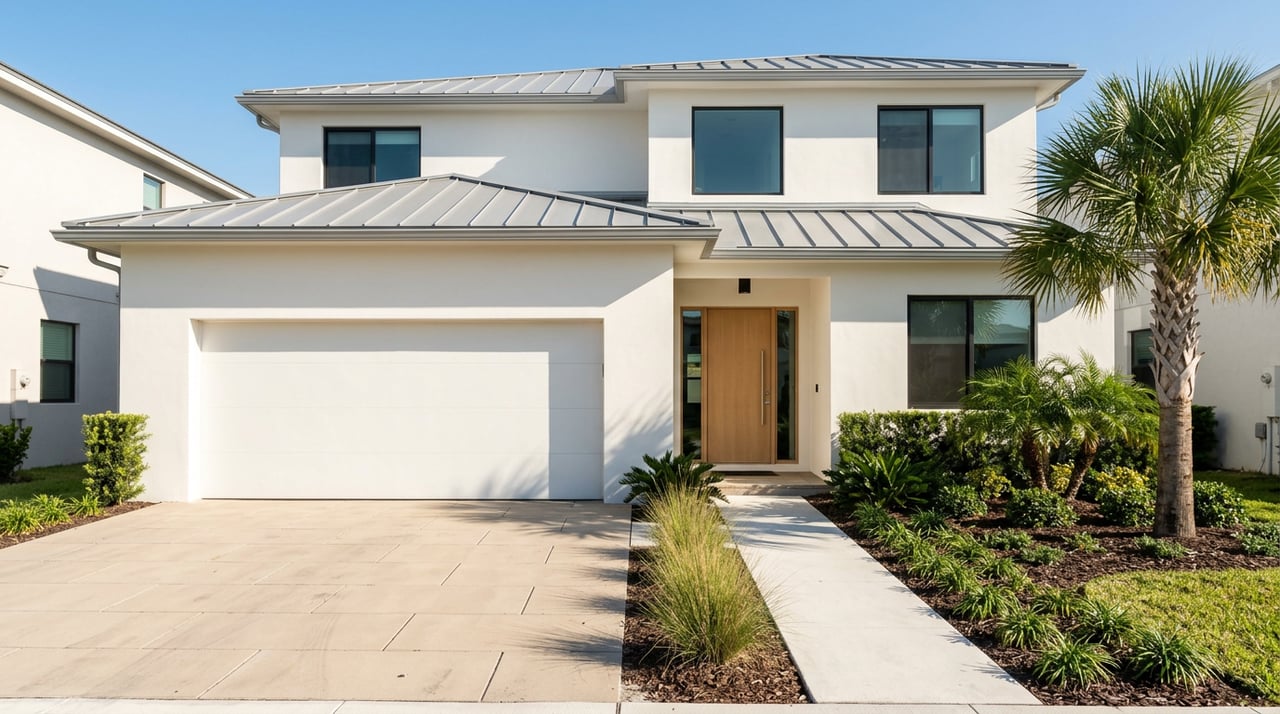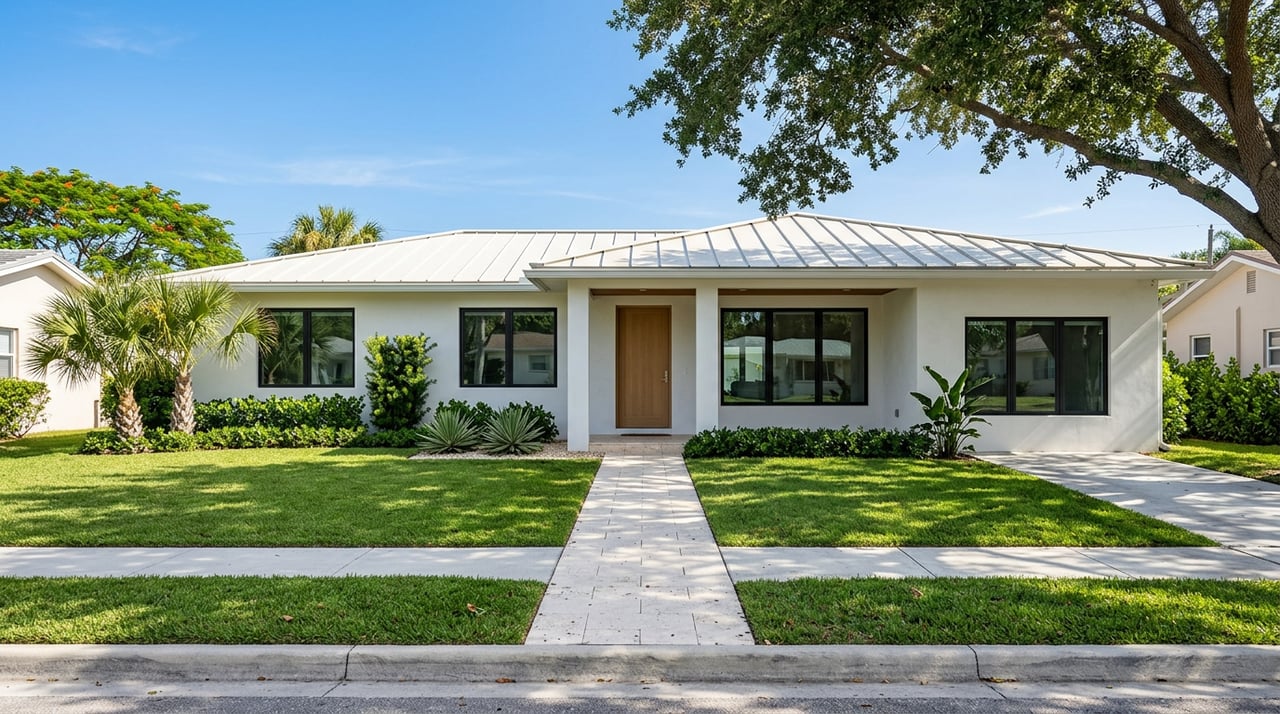
Wondering if a condo or a single-family home on Longboat Key is the better fit for you? You are not alone. Many buyers weigh the ease of a condo against the freedom of a house, especially when this is a second home or seasonal retreat. In this guide, you will learn how lifestyle, costs, rules, insurance, and rentals differ on the island so you can choose with confidence. Let’s dive in.
Longboat Key at a glance
Longboat Key is a barrier-island town with a relaxed coastal lifestyle and strong appeal for second-home and retirement buyers. The town’s population skews older with a high share of owner-occupied homes, according to the U.S. Census QuickFacts. That often translates to seasonal patterns, lock-and-leave preferences, and demand for on-site services. You can review the town’s demographic profile in the latest U.S. Census QuickFacts for Longboat Key.
One important detail: the island straddles Manatee County and Sarasota County. That split affects property tax records, permitting, and some services. When you evaluate a property, confirm which county it sits in so you use the right tax and permitting tools later in your process.
Condo living on Longboat Key
What you get
Condo life on Longboat Key centers on convenience. Many buildings offer direct beach access or Gulf views, resort-style pools, fitness centers, staffed entries or gates, and landscaped grounds. The association typically maintains building exteriors, roofs, elevators, common plumbing and electrical systems, and shared amenities. If you want a true lock-and-leave setup with on-site amenities, a condo often delivers.
As of February 2026, MLS snapshots show how fees vary by building and amenity level. For example, some large Gulf-front communities report quarterly dues in the low $4,000s, which equates to about $1,200 to $1,400 per month. Ultra-luxury buildings can show much higher annual figures around $47,600, roughly $3,970 per month. Always verify the current budget and fee schedule for the specific unit you are considering.
What you still handle
Even in full-service buildings, you remain responsible for interior maintenance, finishes, and appliances. You also carry an HO-6 condo policy for interior and personal property. The association’s master insurance covers the structure and common elements, but note the wind and flood deductibles. After storms or capital projects, large master-policy deductibles can drive special assessments for owners.
Single-family living on Longboat Key
What you gain
A single-family home gives you control and space. You can have private outdoor areas, a yard, a pool, and in many locations, the option for a private dock or seawall. You control the timing and scope of exterior projects and design updates. For avid boaters, direct access and the ability to plan dock improvements are major draws.
What you take on
With control comes responsibility. You will manage exterior maintenance, roof, pool, landscaping, seawall and dock upkeep, and all related permits. Insurance lines are separate and can include homeowners, flood, wind, umbrella, and sometimes excess flood. If the home sits inside a private club or an HOA, you may also have recurring club dues or HOA fees on top of your carrying costs.
Costs and fees to compare
Monthly dues vs. carrying costs
Condo assessments fund the building’s big-ticket needs: roof and façade work, elevators, pools, master insurance, landscaping, and sometimes security or staff. That is why condo dues can look higher than a typical HOA for single-family neighborhoods. In a single-family setting, you pay smaller or no HOA dues, but you budget separately for your roof, exterior, pool, seawall, and dock.
A practical approach is to look at the all-in annual picture. For a condo, total up dues, your HO-6, contents insurance, any extra assessments, and taxes. For a home, total up insurance lines, routine maintenance, reserves for big items, HOA or club dues if any, and taxes. Then compare.
Insurance realities in Florida
Florida’s property insurance market has seen volatility in recent years. Regulatory shifts in 2024 and 2025 affected rates and carrier availability, especially for coastal and second-home properties. The Florida Office of Insurance Regulation notes that market conditions have been strengthening with new carrier activity and reforms taking hold. Review the latest Florida OIR market update and get address-specific quotes early, whether you are eyeing a condo or a house.
For condos, ask for a copy of the master policy and a summary of deductibles so you understand potential assessment exposure. For homes, check whether the property is with Citizens or in the private market, and confirm flood requirements for the flood zone.
Financing and building health
Milestone inspections and SIRS for condos
Florida requires milestone structural inspections and Structural Integrity Reserve Studies (SIRS) for many buildings that are three stories or higher. These reports and required reserves shape association budgets and help identify needed projects. Buyers should ask for the building’s inspection reports, SIRS, and reserve disclosures to understand future cost risk. You can review requirements and timelines on the DBPR inspections and SIRS resource page.
Why lenders care
After the Surfside tragedy, lenders and the GSEs tightened condo project eligibility. Buildings with deferred maintenance, inadequate reserves, or missing inspection documentation can be considered non-warrantable, which may limit or increase the cost of financing for buyers in those projects. See industry context on these lending changes in National Mortgage Professional’s post-Surfside coverage. Your lender can pre-screen a building and confirm project eligibility before you write an offer.
Taxes, flood and permits
Two counties, two tax tools
Because Longboat Key spans Manatee and Sarasota counties, you must use the correct county tools to estimate taxes. For Manatee parcels, start with the Manatee County Property Appraiser. For Sarasota parcels, use the Sarasota County tax estimator. Millage rates, taxable value, and non-ad valorem assessments differ across counties, so verify the exact parcel.
Flood zones and elevation
Flood risk and elevation are central on a barrier island. The Town provides a public portal where you can search elevation certificates and check Base Flood Elevation for a property. Reviewing this early helps you price flood insurance and understand construction or renovation constraints. Use the Town’s Elevation Certificate and Flood Risk search as part of your due diligence.
Docks, lifts and seawalls
If you plan to add or upgrade marine structures at a home, check permits and ownership. Seawalls and docks often require approvals from multiple agencies and compliance with state water resource statutes. A coastal-experienced marine contractor can help you navigate this. For context on state permitting frameworks, review Florida Statutes Chapter 373.
Rental rules you need to know
Short-term rental expectations are critical on Longboat Key. The Town states that renting residentially zoned properties for fewer than 30 days is a code violation in many zones. The Town requires registration and enforces escalating daily fines for violations. Always confirm the zoning and the Town’s requirements for the exact property. Start with the Town’s Short-Term Rentals page.
Condo and HOA rules can be even stricter than Town code. Many associations set minimum lease terms, limit the number of leases per year, or require board approval and additional registration. Two-month minimums are common in several buildings. If rental flexibility matters, read the community documents before you buy.
Seasonal demand is real. Winter and spring tend to command higher rates, and Gulf-front locations often outperform bayside locations, but actual income depends on your specific building rules, view corridor, and finishes. Get property-specific rental comps rather than relying on generic averages.
Budgeting quick guide
For single-family homes, many owners set aside roughly 1 to 2 percent of the home’s value each year for routine maintenance and small-to-mid repairs. Industry studies reflect this pattern for homeowners nationally. For a deeper look at typical homeowner spending, see Angi’s State of Home Spending. In condos, part of that spend shifts into monthly dues, but special assessments can still occur for large building projects. Review reserve studies, minutes, and upcoming projects to gauge risk.
How to decide: a quick scorecard
Choose a condo if you want:
- Low-maintenance, lock-and-leave living with on-site amenities.
- Predictable exterior upkeep handled by the association.
- A residence where building staff and security are part of the experience.
- A structure that may already be aligned with current inspection and reserve rules.
Choose a single-family home if you want:
- Private outdoor space, a yard, or a pool you control.
- Direct boat access or the option to build or upgrade a private dock.
- Full control over design and timing of exterior projects.
- Fewer association rules, balanced by more hands-on maintenance.
Due-diligence checklist
Use this list to compare specific addresses and avoid surprises:
- Confirm the county. Identify whether the parcel is in Manatee or Sarasota, then estimate taxes using the Manatee Property Appraiser or Sarasota tax estimator.
- Review community documents. Ask for the declaration and bylaws, 12 to 24 months of minutes, current budget and audited financials, reserve study, insurance policies with deductibles, and any pending or approved special assessments.
- For condos three stories or higher, request inspection and reserve reports. Florida’s milestone inspections and SIRS rules apply to many buildings. Confirm status using the DBPR inspections and SIRS page.
- Obtain an estoppel or resale certificate early. Confirm arrears, transfer fees, guest and parking rules, rental limits, and any pending assessments.
- Check flood data. Pull the elevation certificate and Base Flood Elevation from the Town’s Elevation Certificate search and verify NFIP or private flood requirements.
- Verify waterfront structures. For homes, confirm ownership and permits for docks and seawalls and review any recent repair permits. Use a coastal-experienced engineer or contractor and reference Florida’s water resource statutes for permitting context.
- Line up insurance quotes. Ask whether the property is in the private market or Citizens and price wind and flood coverage. Review the Florida OIR market update for current context.
- Pre-screen financing. Have your lender confirm condo project eligibility before you offer. See why this matters in post-Surfside lending coverage.
Ready to explore your options?
Whether you are leaning toward a beachfront condo or a waterfront home with a dock, a focused plan will save you time and reduce risk. Our team pairs deep island expertise with a concierge process that makes buying on Longboat Key clear and comfortable. If you want tailored guidance, neighborhood-level insight, and a smooth path from search to closing, connect with the Fox Leiter Team to start a conversation.
FAQs
What is the minimum rental period on Longboat Key?
- The Town states that renting residentially zoned properties for fewer than 30 days is a code violation in many zones, with required registration and fines for violations; confirm a specific address on the Town’s Short-Term Rentals page.
How do condo inspections and reserves affect a buyer in Florida?
- Buildings that are three stories or higher must complete milestone inspections and SIRS, which influence budgets, reserves, assessments, and lender approval; review the DBPR inspections and SIRS guidance for details and ask for the building’s reports.
How can I estimate property taxes for a Longboat Key address?
- Identify which county the property is in, then use the Manatee County Property Appraiser for Manatee parcels or the Sarasota tax estimator for Sarasota parcels.
What insurance should I expect as a condo vs. home buyer in Florida?
- Condo owners carry an HO-6 for interior and contents while the association’s master policy covers common elements; single-family owners carry homeowners, flood, wind, and possibly umbrella policies, so get address-specific quotes and review the Florida OIR market update.
Can I add a dock to a Longboat Key waterfront home?
- Often yes, but docks and seawalls require permits and compliance with state and local rules; verify ownership and permitting, and review Florida Statutes Chapter 373 for water resource and permitting context.